Tesla Pushes Optimus Customer Deliveries to 2027 as Robot Hands, AI Remain Unresolved
Tesla's humanoid robot program faces continued delays as the company struggles to overcome persistent hardware and software hurdles.
By Ama Boateng ·
The promise of a useful humanoid robot from Tesla is slipping further into the future, with the company now targeting the end of 2027 for initial deliveries to outside customers. This latest timeline, announced during the Q3 2026 earnings call, is contingent on solving the same core challenges that have plagued the project: the robot's hands, its long-term durability, and the AI required for autonomous operation. The issues are fundamental to the machine's viability and must be resolved before any large-scale rollout can begin.
Tesla has initiated early production of the Optimus on a high-volume line in its Fremont factory, a facility previously used for Model S and Model X assembly. While most of a line designed to produce one million robots per year is installed, reaching a target rate of approximately 20,000 units weekly will take at least a year. The delay in reaching full capacity is because parts of the design are still undergoing changes, preventing the process from being finalized.
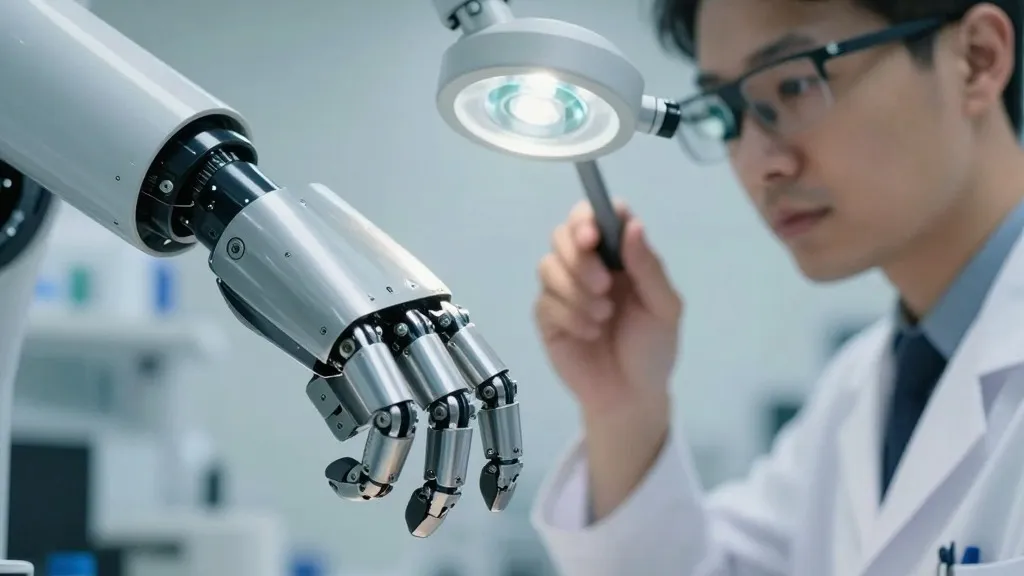
The primary obstacle cited is the design of the robot's hands and fingers. An engineer on the call identified the hand and custom gears as areas with significant reliability concerns. Elon Musk explained the difficulty lies in creating fingers that are soft enough to manipulate delicate objects while also being durable enough to withstand constant wear, noting that unlike human skin, the robotic components cannot heal.
Compounding the hardware issues are significant challenges on the software and AI front. The company is still working to resolve problems with its AI architecture. Unlike its vehicles, which collect data from a large fleet, Tesla plans to generate a training dataset for Optimus by building 10,000 to 20,000 units for a program called 'Optimus Academy' where they will practice tasks. An updated AI5 chip is slated for the robot around April 2027.
The timeline for Optimus has been repeatedly adjusted. In 2024, Musk stated the company would build robots for internal use in 2025 and for external clients in 2026. A promise to have 'several thousand' robots performing useful work by the end of 2025 was later walked back. Now, external deliveries are slated for late 2027. Tesla's own shareholder letter refers to current Fremont-line units as the 'first production-quality bots,' indicating earlier versions were not.
Musk claimed on the earnings call that 'there is no one that is even close to Tesla' in the general-purpose humanoid space. This assertion is difficult to reconcile with progress from competitors. XPeng activated an automated production line for its IRON robot in September and plans mass production by the end of 2026, with deliveries starting in the first half of 2027. Boston Dynamics began producing its electric Atlas in January and has committed all of its 2026 deployments.
The stakes for Tesla's timeline are high, as the company faces rivals who are not encountering the same level of public scrutiny over their progress. While Tesla has not yet delivered a production-quality robot to an external customer, Boston Dynamics is already deploying its Atlas robots in automotive factories and has secured commitments for its 2026 production. XPeng's automated line for its IRON robot is operational, and it has also committed to a similar delivery schedule to Tesla's, raising the question of who will achieve meaningful scale first.
While Musk has promised a video of the robot performing unscripted tasks in the next month or two, the history of Optimus timelines suggests caution. The company has repeatedly missed its own targets for producing and deploying robots that can perform useful work. The path to late 2027 is now clear: Tesla must solve the durability of its robot's hands and develop an AI capable of generalizing to new tasks before it can begin delivering on its long-standing promise.
Source: Electrek